February 27, 2027 - DCGS 49th Annual Conference
 | "4Rs: Research, Review, Results, Redo" on February 27, 2027, with a full day of program sessions onsite at the NIU Conference Center in Naperville, Illinois.
Laura Street Chaplin, Tina Beaird, Dan Jungclas, and Steve Szabados will present on topics for everyone, from beginners to advanced. You can choose from 12 topics, including AI, Genetic Genealogy, DNA Basics, research options, analysis strategies, writing processes, and archive methods.
The Attendee conference fee includes a hot lunch, digital syllabus, and chances to win door prizes. Additional opportunities to win fun prizes are available through purchased raffle tickets. |
Early Bird deadline is January 30, 2027
The Attendee early bird conference fee, $65 for DCGS members, $75 for non-members, includes 12 sessions to choose from, a hot buffet lunch, pdf syllabus handouts, and chances to win door prizes. There will also be great raffle items and several of genealogists' favorite exhibitors. After January 30th, the regular conference rate for members and non-members will be $80.
You will receive a confirmation when payment is received. Please keep it for your records. If you do not receive a confirmation within 14 days of remitting payment, please get in touch with us ASAP at conference@dcgs.org.No refunds allowed after January 30th, 2027.
Online registration closes on February 13, 2027 or when we reach capacity, whichever comes first.
Advanced online registration is required, we cannot accommodate walk-ins. When you register online, you'll have the option to pay by credit card or print an invoice to remit by mail with your check. Confirmation emails are sent when payment is received. You can expect to receive the syllabus and additional details the week preceding the conference.
Only registered conference attendees are invited to visit our exhibitors.
Public Health Policy
Revised 8 January 2023
The DuPage County Genealogical Society has followed and will continue to follow, the requirements of the State of Illinois and the DuPage County Health Department.
Mask-wearing in our events is optional in the public areas and the lunchroom. Some speakers may require that their attendees wear a mask, or they will not be able to attend their session. Please see the conference day schedule for details.
As we’ve learned, this very well may change in the future. We will continue to follow the state and local guidance and adapt our procedures accordingly. If you have any questions, please contact us at webcoordinator@dcgs.org.
Volunteers Needed
Volunteers are very important and help the Conference run smoothly. We are looking for volunteers in several areas:
- Planning - Join the Conference Planning Committee to help with planning and coordinating the upcoming conference.
- Facilitators - Introduce a speaker of their choice or of a lecture they intend to attend. Assist the speaker, if necessary, and let the speaker know when their time is almost up to help keep the speaker on schedule.
- Guides - Welcome attendees during morning check-in and guide attendees to meeting rooms, lunch, and the exhibitor’s tables
- Logistics - Help set up on Friday and take down on Saturday.
If you are interested in helping, please indicate your interest when you register or contact Rhea Hunter at webcoordinator@dcgs.org and indicate your preferences.
Speakers
Tina Beaird

Tina Beaird is owner of Tamarack Genealogy and is also a Genealogy Librarian at the Plainfield Public Library in Plainfield, IL. Tina lectures extensively on topics including genealogical methodology, military research and archival preservation. She is a member of the Genealogical Speakers Guild as well as First V.P. of the Illinois State Genealogical Society and Board Director for the Oswego Heritage Association. She volunteers her time with several historical and genealogical societies across Illinois scanning and indexing records. Tina has provided research assistance for over twenty years and has been researching her family’s history, as time permits, for over thirty years. She is a rabid baseball fan and her and her family have visited 26 out of 30 Major League Ballparks across the U.S.
Dan Jungclas

With 35-plus years of experience, Dan began his genealogical journey at the young age of 26. Dan, quite an accomplished speaker, is an International Speaker and has spoken for the International German Genealogy Partnership (IGGP). Dan’s expertise offers incredible insight through comprehensive exploration, research & preservation. Knowledgeable of more than just the basics of genealogy, Dan is familiar with vital records (birth, marriage, and death), census records, church records, land records, tax records, emigration records, immigration records, & naturalization records. Dan specializes in several areas related to but not limited to Germany, Germanic Areas, Cincinnati, Hamilton County, Ohio; Northern
Kentucky, Illinois, Michigan, and other areas of the USA, as well as the National Archives (NARA), the Great Lakes, the Midwest, the US Civil War, WWI, WWII, and German Genealogy.
Laura Street Chaplin
 A Midwest girl at heart, born and raised in Iowa. 40 + years of genealogical research occurred while moving around the Midwest in Iowa, Illinois, Missouri, and Ohio. Laura became interested in family history while in college leading to avid hobby-ism for many years, attending countless workshops, traveling all over the country on research trips, taking genealogy community college courses, and lots more. The lucky break of having a set of Quaker grandparents, who were genealogists long before it became a popular pastime, gave a huge jump start to her family tree. While a young mother, Laura compiled a "book" on my mother's family (Gerst) beginning with her great-grandparents, German immigrants, and tracing all of their prolific descendants.
Owner / Genealogist for Willowtree Research Genealogy Services, established 2013. Boston University Genealogical Research certificate holder (OL14). Since discovering an aptitude for genealogical speaking and teaching, Laura's many years of knowledge and experience are now put to work helping others enioy the same excitement and tremendous fulfillment in learning about their own family heritage.
Steve Szabados
 Steve Szabados grew up in Central Illinois and is a retired project manager living in the Chicago Suburbs. He received a Bachelor of Science Degree from the University of Illinois in Champaign-Urbana, Illinois, and a Master’s in Business Administration from Northern Illinois University in DeKalb, Illinois. Steve Szabados is a genealogy lecturer and author. He has been researching his ancestors since 2000. He has traced them back to the 1600s in New England, Virginia, Pennsylvania, and Kentucky, and to the 1730s in Poland, Germany, Bohemia, Hungary, Slovakia, and Slovenia. He has given numerous presentations to genealogical groups and libraries in Illinois, Indiana, Michigan, Missouri, Pennsylvania, and Wisconsin. He has also published over 40 genealogy books. His mission is to share his passion for Family History with as many people as he can. He is a former board member of the Polish Genealogical Society of America and is a genealogy volunteer at the Arlington Heights Memorial Library. Steve is also the genealogy columnist for the Polish American Journal.
Luncheon
A hot buffet lunch is included in most tickets.
If you have dietary restrictions that aren't met by this menu, please note them in your registration.
Conference Exhibitors Note: The list will be updated as Exhibitors register.
- TBA
Only registered conference attendees are invited to visit our Exhibitors.
If you wish to register as an exhibitor, select one of the Exhibitor ticket options when you register.
If you have questions, email webdcgs60187@gmail.com.
Raffle Prizes Raffle tickets can be purchased at the DCGS desk during the conference.
|
Door Prizes
The final list will be available at the door prize tables. Tickets for the door prizes will be included in your registration packet at check-in.
- TBA
-
and more!
Special Offers
To be included with the Conference Syllabus
- TBA
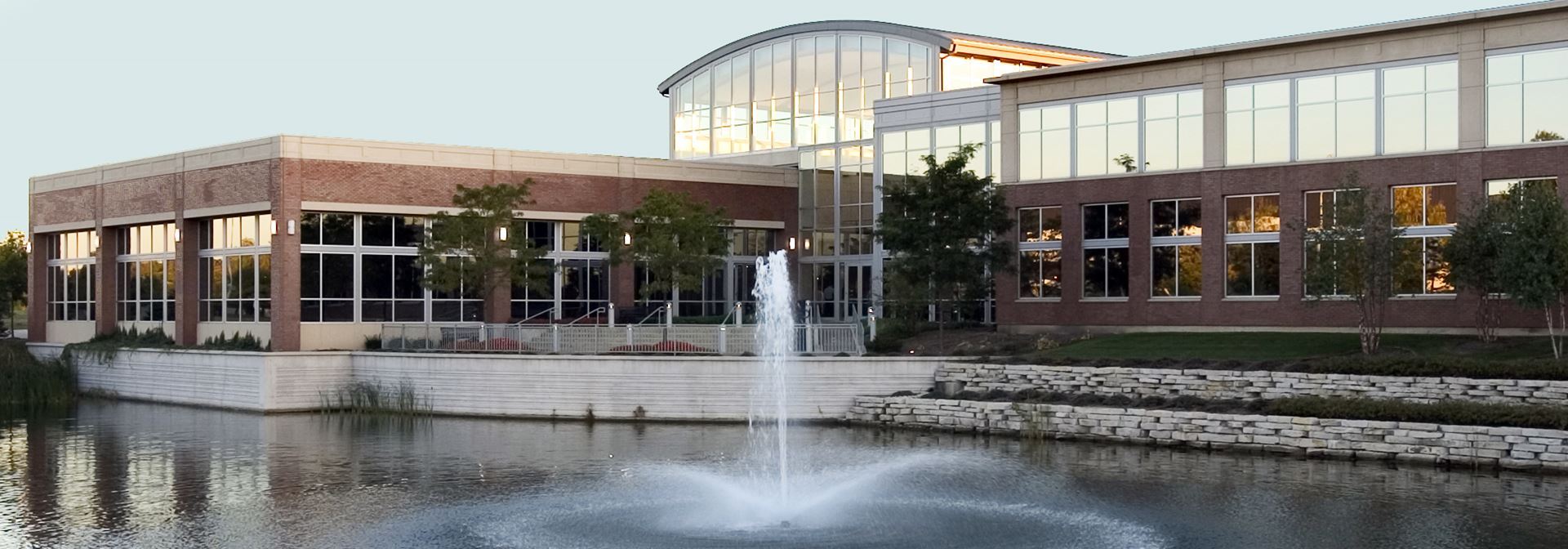
LocationNorthern Illinois University, NIU-Naperville is located at 1120 E. Diehl Road, Naperville, IL 60563
Parking is FREE; no permits are needed. The NIU Conference Center - Naperville just west of Freedom Drive and across | Shop the
|
Driving Directions
From I-88 (East-West Tollway): Exit at the Naperville Road/Freedom Drive exit. Then head south (right, about .3 mi.) to Diehl Road, turn right (west) onto Diehl Road. Campus is almost immediately on the left, across from the Hampton Inn.
From O’Hare Airport (Approx. 25 miles from O’Hare): Exit on I-190E. Take the I-294 S exit, exit number 1D, towards Indiana. Merge onto I-294 S (portions toll). Take the I-88 W exit towards Aurora. Merge onto East/West Tollway (portions toll). Exit at the Naperville Road/Freedom Drive exit. Then head south (right, about .3 mi.) to Diehl Road, turn right (west) onto Diehl Road. Campus is almost immediately on the left, across from the Hampton Inn.
From Chicago (East) (Approx. 29 miles from downtown Chicago): From I-290, the Eisenhower Expressway, take the I-294 S/I-88 W exit, exit number 15A, on the left towards Indiana/Aurora. Merge onto East/West Tollway (portions toll). Exit at the Naperville Road/Freedom Drive exit. Then head south (right, about .3 mi.) to Diehl Road, turn right (west) onto Diehl Road. Campus is almost immediately on the left, across from the Hampton Inn.
From I-294 (Tri-State Tollway north/south): Merge onto I-88 west (East/West Tollway) towards Aurora. Exit at the Naperville Road/Freedom Drive exit. Then head south (right, about .3 mi.) to Diehl Road, turn right (west) onto Diehl Road. Campus is almost immediately on the left, across from the Hampton Inn.
From I-355 (Veterans Memorial Tollway north/south): Merge onto I-88 west (East/West Tollway) towards Aurora. Exit at the Naperville Road/Freedom Drive exit. Then head south (right, about .3 mi.) to Diehl Road, turn right (west) onto Diehl Road. Campus is almost immediately on the left, across from the Hampton Inn.